If you have ever stood in a shop trying to figure out the actual difference between a nicotine pouch, a vape, and a traditional cigarette, you are not alone. The nicotine product landscape has changed dramatically over the last decade, and the options available today look nothing like they did even five years ago. Whether you are a longtime smoker curious about alternatives, someone who vapes and wants to understand what they are actually using, or just a curious person trying to make sense of it all, this breakdown covers everything you need to know in plain language.
Cigarettes: The Baseline Most People Already Know
Cigarettes are the product most people use as their reference point when comparing anything nicotine-related, so it makes sense to start here. A traditional cigarette works through combustion. When you light one, the tobacco burns at temperatures around 900 degrees Celsius at the tip, and that burning produces smoke containing nicotine alongside thousands of other chemical compounds.
According to theCenters for Disease Control and Prevention, cigarette smoke contains more than 7,000 chemicals, with at least 70 known to cause cancer. The nicotine itself is not what causes most of the health damage. It is the tar, carbon monoxide, formaldehyde, and the long list of combustion byproducts that create the well-documented risks.
What Makes Cigarettes Different From Everything Else
Nicotine is delivered through inhaled smoke produced by burning tobacco
Peak blood nicotine levels are reached within roughly ten seconds of inhalation, making them highly addictive
The combustion process generates thousands of chemical compounds beyond nicotine itself
No battery, no reconstitution, no setup required, just light and smoke
The ritual, the throat hit, and the speed of delivery reinforce the habit loop in ways slower alternatives struggle to replicate
Vaping: What It Is and How It Differs From Smoking
Vaping works on a fundamentally different principle than smoking. Instead of burning tobacco, a vape device heats a liquid to a temperature that turns it into an aerosol. That aerosol is then inhaled. The key distinction is that there is no combustion involved, which means no smoke, no tar, and none of the combustion-specific byproducts that make cigarette smoke so harmful.
A review published inFrontiers in Chemistry found that while vaping is not risk-free, the aerosol produced contains significantly fewer toxic compounds than cigarette smoke and at considerably lower concentrations. Less harmful is not the same as harmless, but the difference in compound exposure is significant.
How Vaping Compares to Smoking at a Glance
No combustion means no smoke, no tar, and no carbon monoxide
Nicotine delivery is slightly slower than a cigarette but still faster than pouches
No ash, no smoke smell, and no secondhand smoke in the traditional sense
Wide range of flavours and nicotine strengths available
Disposable formats require zero setup or maintenance
Nicotine Pouches: The Smoke-Free, Vapour-Free Option
Nicotine pouches are the newest major category in this comparison and the one that surprises most people when they first encounter them. They contain no tobacco leaf whatsoever. Instead, they deliver nicotine through a small pouch placed between the upper lip and gum, where nicotine absorbs directly through the oral mucosa into the bloodstream. There is no inhaling, no burning, no vapour, and no smoke.
A study published inNicotine and Tobacco Research found that nicotine pouches produce a significantly lower toxicant exposure profile compared to both cigarettes and traditional smokeless tobacco products, placing them at the lower end of the nicotine product harm spectrum currently available.
Why People Choose Pouches Over Smoking or Vaping
Completely discreet, no smell, no vapour, nothing visible
Can be used anywhere without producing anything that affects people nearby
No inhalation of any kind, smoke or aerosol
Wide range of flavours and nicotine strengths from low to very high
No device to charge, no liquid to refill, no lighter needed
Pouches by Brand and Strength
Thepouches category covers multiple brands across a useful strength range:
Cigarettes deliver nicotine through combustion and smoke, which carries the highest associated health risks due to the thousands of compounds generated by burning. Vaping delivers nicotine through heated aerosol without combustion, significantly reducing but not eliminating exposure to harmful compounds. Nicotine pouches deliver nicotine through oral absorption with zero inhalation and no tobacco leaf, representing the cleanest delivery method of the three
All three involve nicotine and its associated dependence risk, but what comes along for the ride varies enormously across the categories. Whatever your preference, the full range across cigarettes, vapes, pouches, and more is available atHoly Smokes, and if you have questions about any specific product or want a recommendation, get in touch with us directly.


Nicotine Pouches vs Vaping vs Cigarettes: What’s Actually the Difference?
If you have ever stood in a shop trying to figure out the actual difference between a nicotine pouch, a vape, and a traditional cigarette, you are not alone. The nicotine product landscape has changed dramatically over the last decade, and the options available today look nothing like they did even five years ago. Whether you are a longtime smoker curious about alternatives, someone who vapes and wants to understand what they are actually using, or just a curious person trying to make sense of it all, this breakdown covers everything you need to know in plain language.
Cigarettes: The Baseline Most People Already Know
Cigarettes are the product most people use as their reference point when comparing anything nicotine-related, so it makes sense to start here. A traditional cigarette works through combustion. When you light one, the tobacco burns at temperatures around 900 degrees Celsius at the tip, and that burning produces smoke containing nicotine alongside thousands of other chemical compounds.
According to the Centers for Disease Control and Prevention, cigarette smoke contains more than 7,000 chemicals, with at least 70 known to cause cancer. The nicotine itself is not what causes most of the health damage. It is the tar, carbon monoxide, formaldehyde, and the long list of combustion byproducts that create the well-documented risks.
What Makes Cigarettes Different From Everything Else
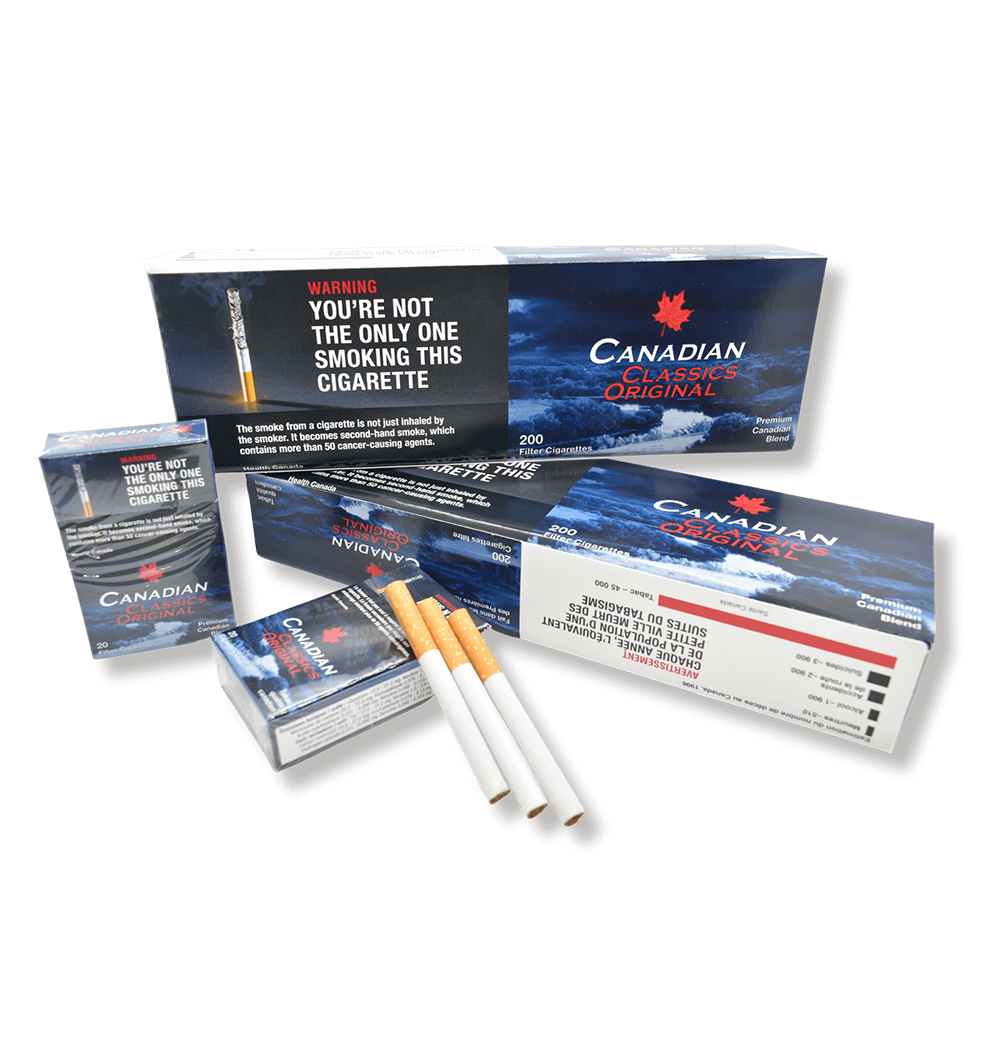
Popular Cigarette Options
The cigarettes category covers a wide range of strengths and styles:
Vaping: What It Is and How It Differs From Smoking
Vaping works on a fundamentally different principle than smoking. Instead of burning tobacco, a vape device heats a liquid to a temperature that turns it into an aerosol. That aerosol is then inhaled. The key distinction is that there is no combustion involved, which means no smoke, no tar, and none of the combustion-specific byproducts that make cigarette smoke so harmful.
A review published in Frontiers in Chemistry found that while vaping is not risk-free, the aerosol produced contains significantly fewer toxic compounds than cigarette smoke and at considerably lower concentrations. Less harmful is not the same as harmless, but the difference in compound exposure is significant.
How Vaping Compares to Smoking at a Glance
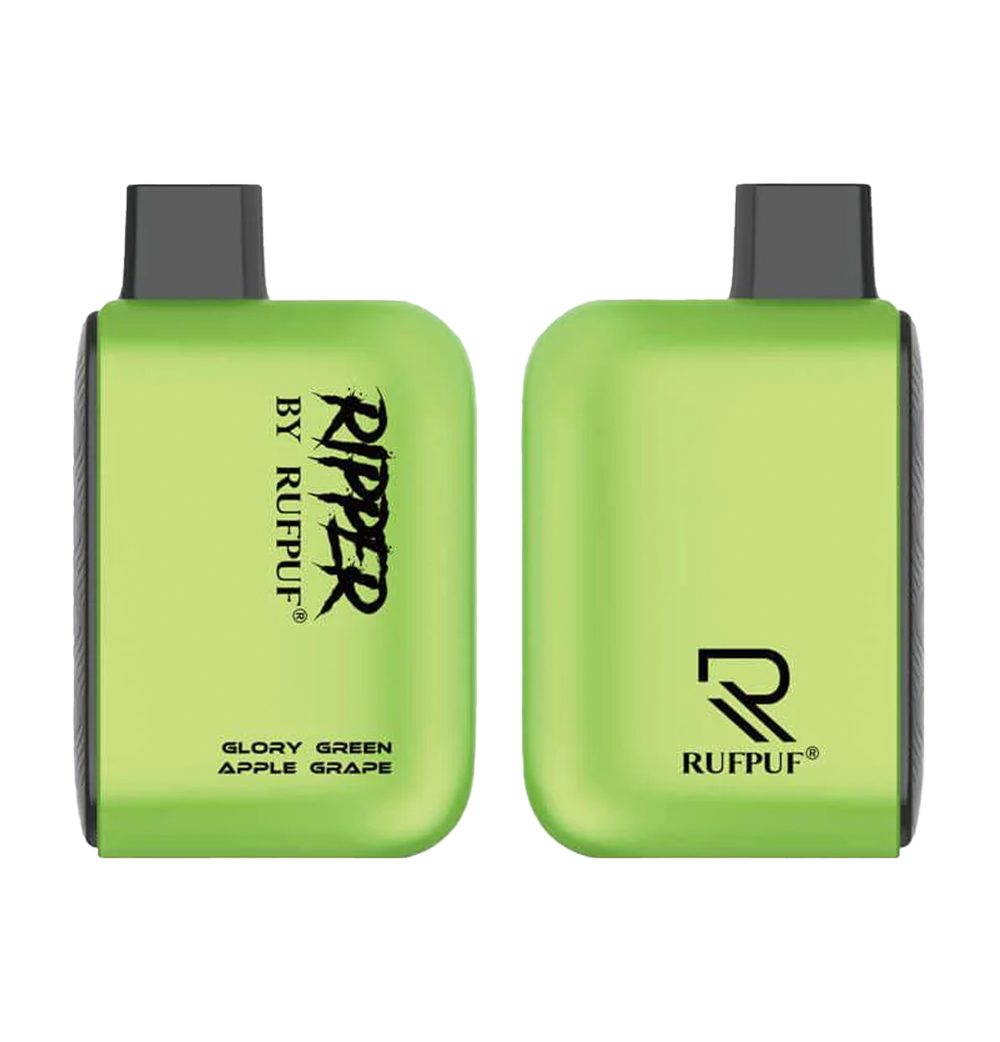
Vape Options by Puff Count
The vapes category is organized well by use level:
Nicotine Pouches: The Smoke-Free, Vapour-Free Option
Nicotine pouches are the newest major category in this comparison and the one that surprises most people when they first encounter them. They contain no tobacco leaf whatsoever. Instead, they deliver nicotine through a small pouch placed between the upper lip and gum, where nicotine absorbs directly through the oral mucosa into the bloodstream. There is no inhaling, no burning, no vapour, and no smoke.
A study published in Nicotine and Tobacco Research found that nicotine pouches produce a significantly lower toxicant exposure profile compared to both cigarettes and traditional smokeless tobacco products, placing them at the lower end of the nicotine product harm spectrum currently available.
Why People Choose Pouches Over Smoking or Vaping
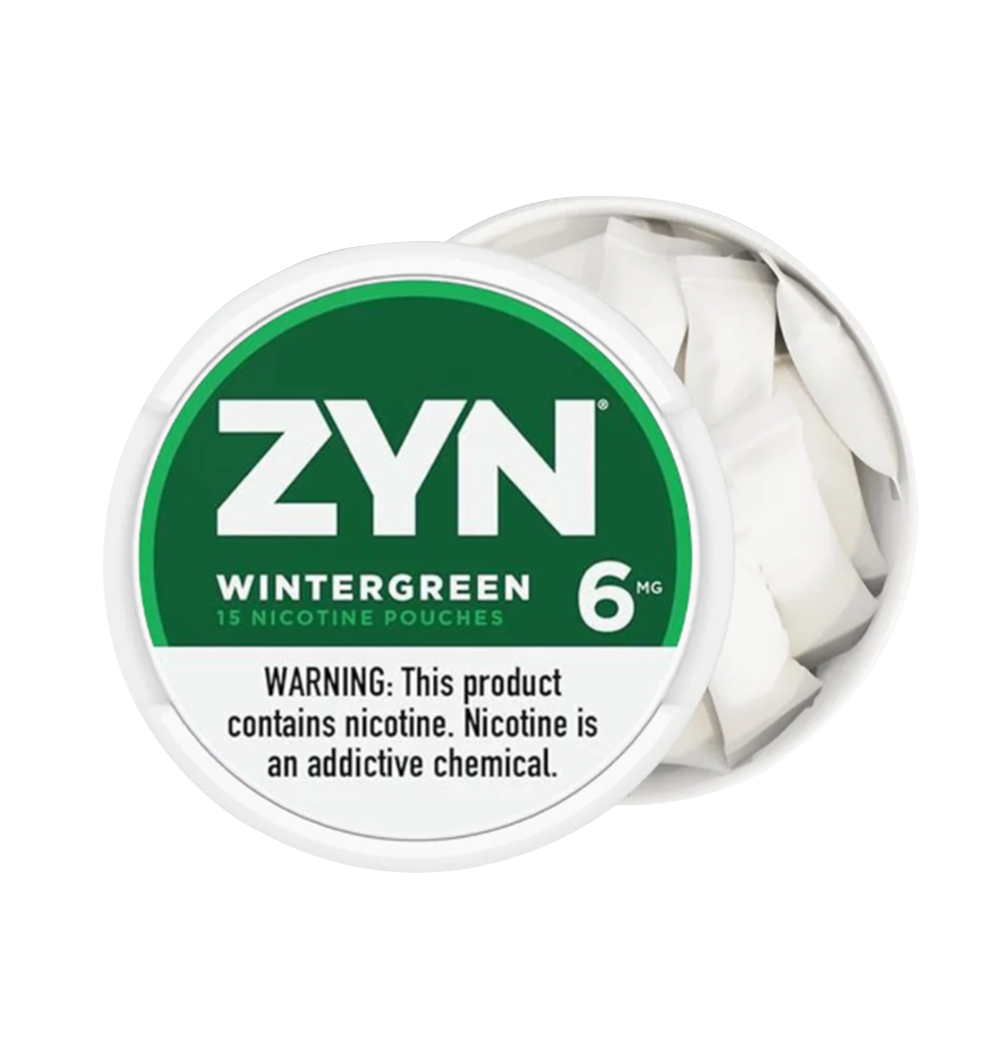
Pouches by Brand and Strength
The pouches category covers multiple brands across a useful strength range:
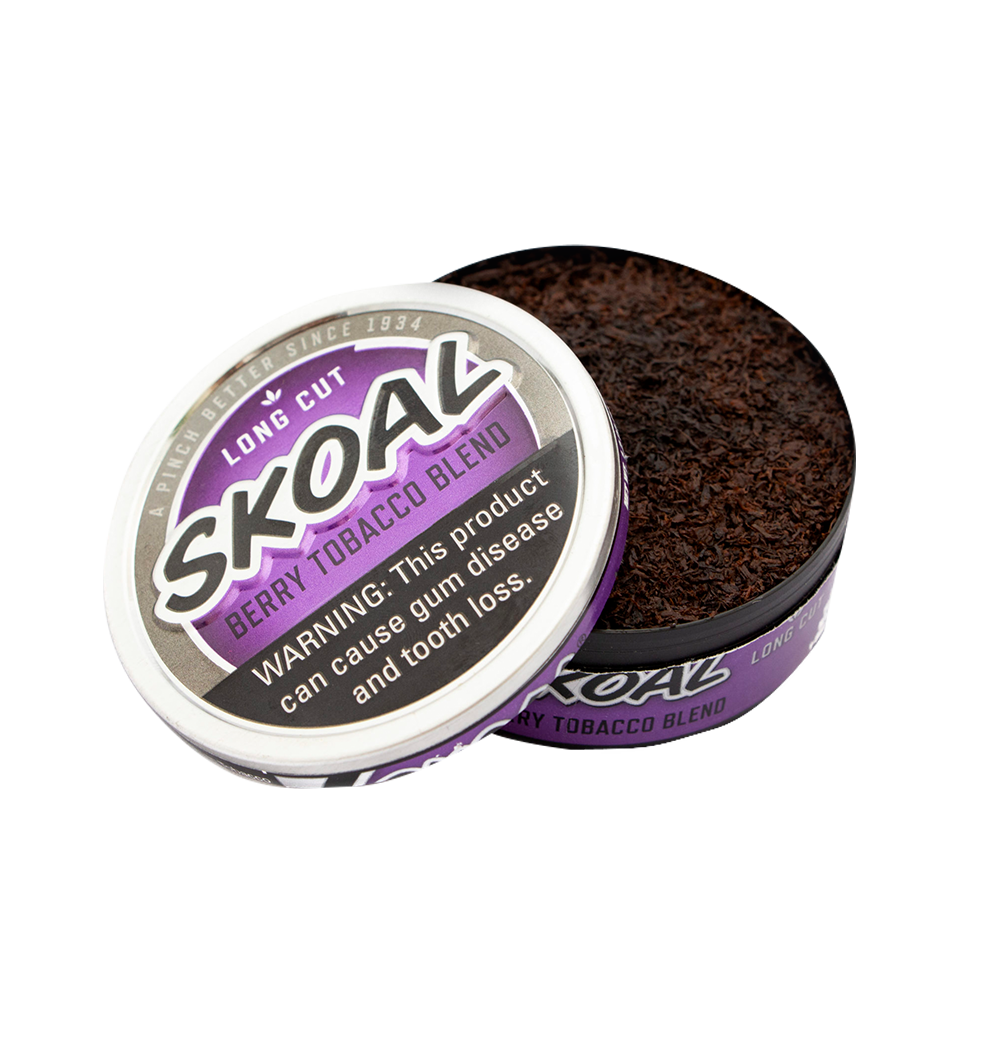
Traditional smokeless tobacco options including Grizzly Mint, Skoal Classic Mint, and Skoal Berry are also available in the chewing tobacco category for those who prefer the traditional format.
Conclusion
Cigarettes deliver nicotine through combustion and smoke, which carries the highest associated health risks due to the thousands of compounds generated by burning. Vaping delivers nicotine through heated aerosol without combustion, significantly reducing but not eliminating exposure to harmful compounds. Nicotine pouches deliver nicotine through oral absorption with zero inhalation and no tobacco leaf, representing the cleanest delivery method of the three
All three involve nicotine and its associated dependence risk, but what comes along for the ride varies enormously across the categories. Whatever your preference, the full range across cigarettes, vapes, pouches, and more is available at Holy Smokes, and if you have questions about any specific product or want a recommendation, get in touch with us directly.
Related Posts
Cigarettes vs. Cigars: Understanding the Key Differences
Ethical sustainable chillwave. Gentrify semiotics cold pressed, narwhal hashtag cardigan artisan swag raw denim wolf tilde.
Understanding Nicotine Strengths: How to Choose What’s Right for You
Ethical sustainable chillwave. Gentrify semiotics cold pressed, narwhal hashtag cardigan artisan swag raw denim wolf tilde.