Ten years ago, nicotine pouches were a niche product with minimal shelf presence and an audience that barely registered in consumer research. Today they are one of the fastest-growing segments in the entire nicotine category, stocked in convenience stores across North America, discussed openly in mainstream media, and increasingly chosen by people who have never used tobacco in any form. The shift happened faster than most industry observers anticipated, and the reasons behind it tell an interesting story about how consumer preferences evolve when a product genuinely solves problems that existing options do not.
What Nicotine Pouches Are and Why They Caught On
A nicotine pouch is a small, pre-portioned pouch containing nicotine, plant-based filler material, flavorings, and pH adjusters. It contains no tobacco leaf. The user places it between the upper lip and gum, where nicotine is absorbed through the oral mucosa over the course of roughly 20 to 45 minutes depending on the product and individual absorption rate. There is no smoke, no vapor, no spit, and no odor that transfers to clothing or surroundings.
That combination of characteristics sounds simple, but it solved several simultaneous problems that other nicotine formats had failed to address cleanly.
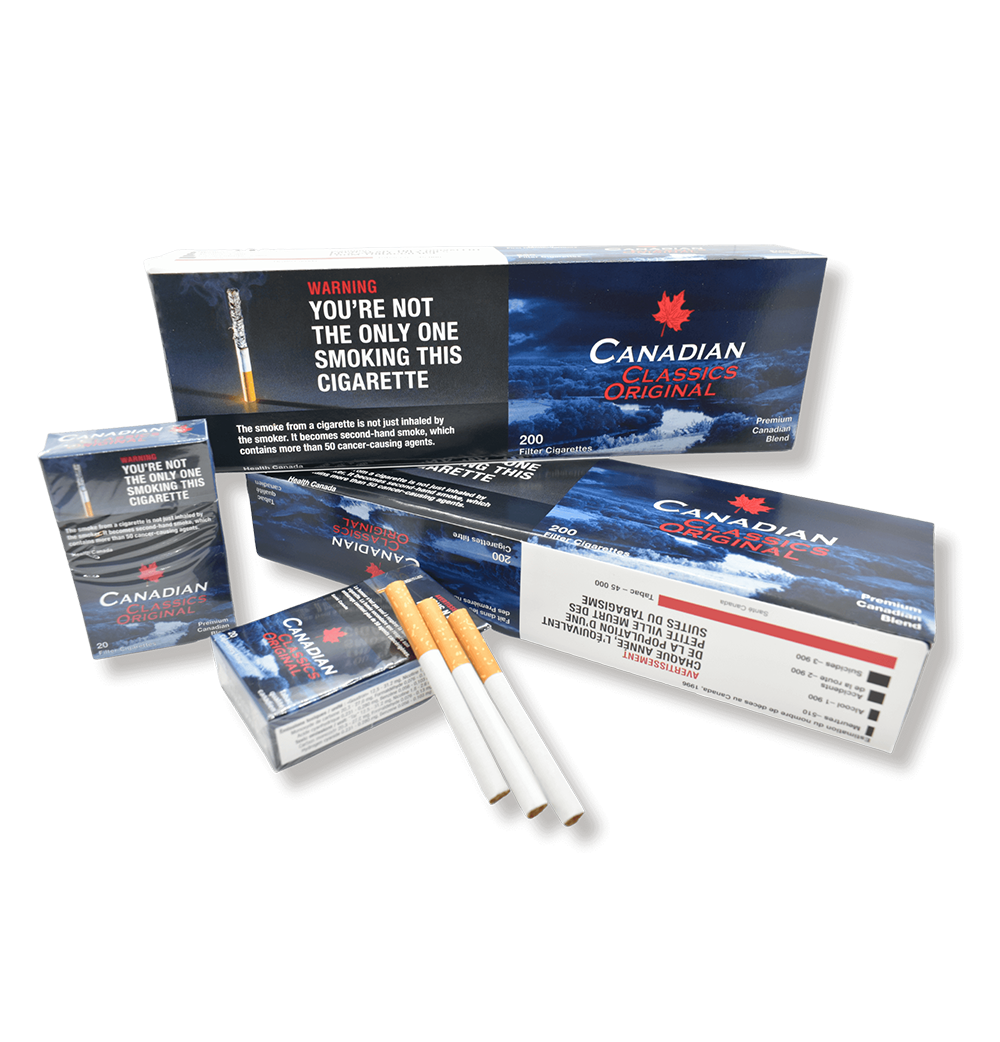
Cigarettes deliver nicotine effectively but come with combustion, secondhand smoke, smell, and the social friction that has grown substantially as smoking bans expanded across indoor public spaces, workplaces, and increasingly outdoor areas in Canadian cities.Cigarettes remain a significant part of the nicotine market, but the restrictions on where they can be used have pushed a meaningful portion of smokers to seek supplementary or replacement options for situations where lighting up is not possible.
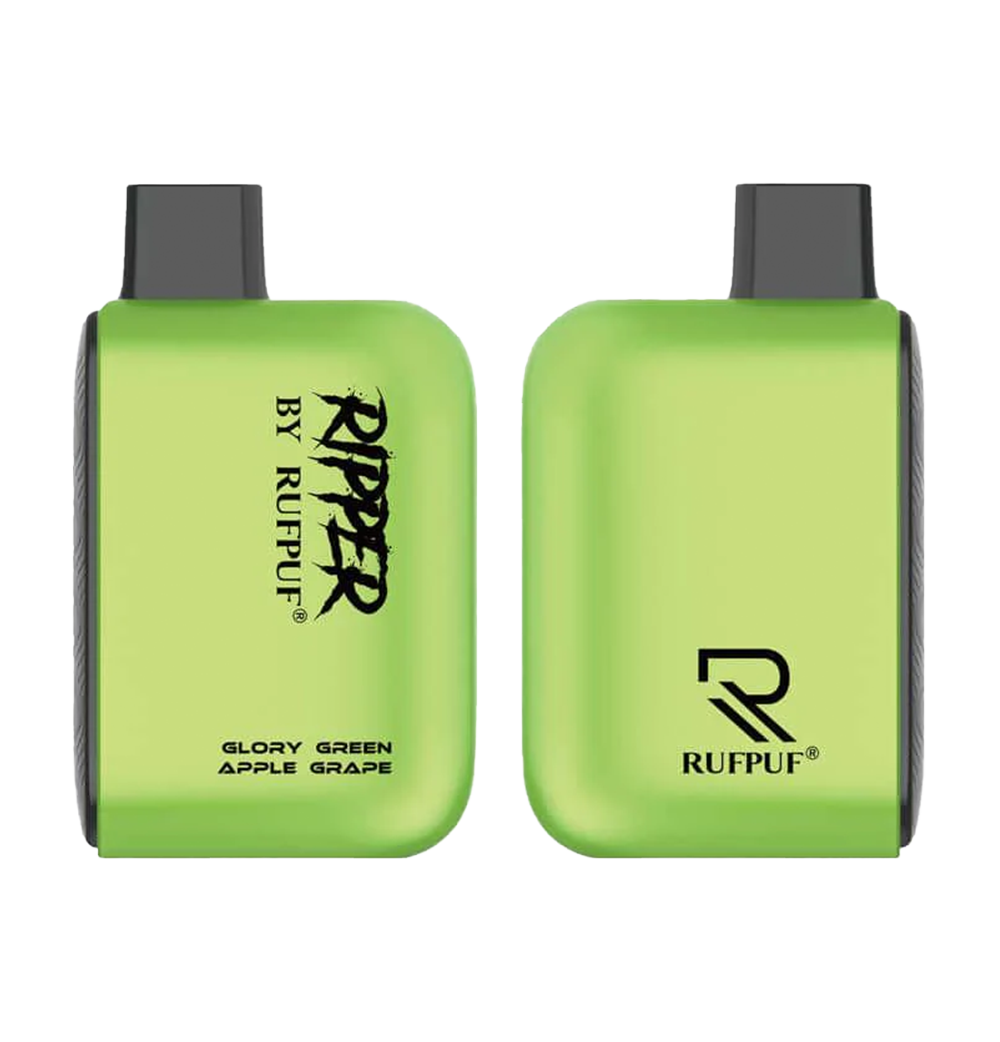
Vapes addressed some of those issues but introduced others. Visible vapor production still draws attention in settings where discretion matters. Battery life, device maintenance, and the perception that vaping carries its own social visibility have kept it from fully solving the discretion problem for certain users.
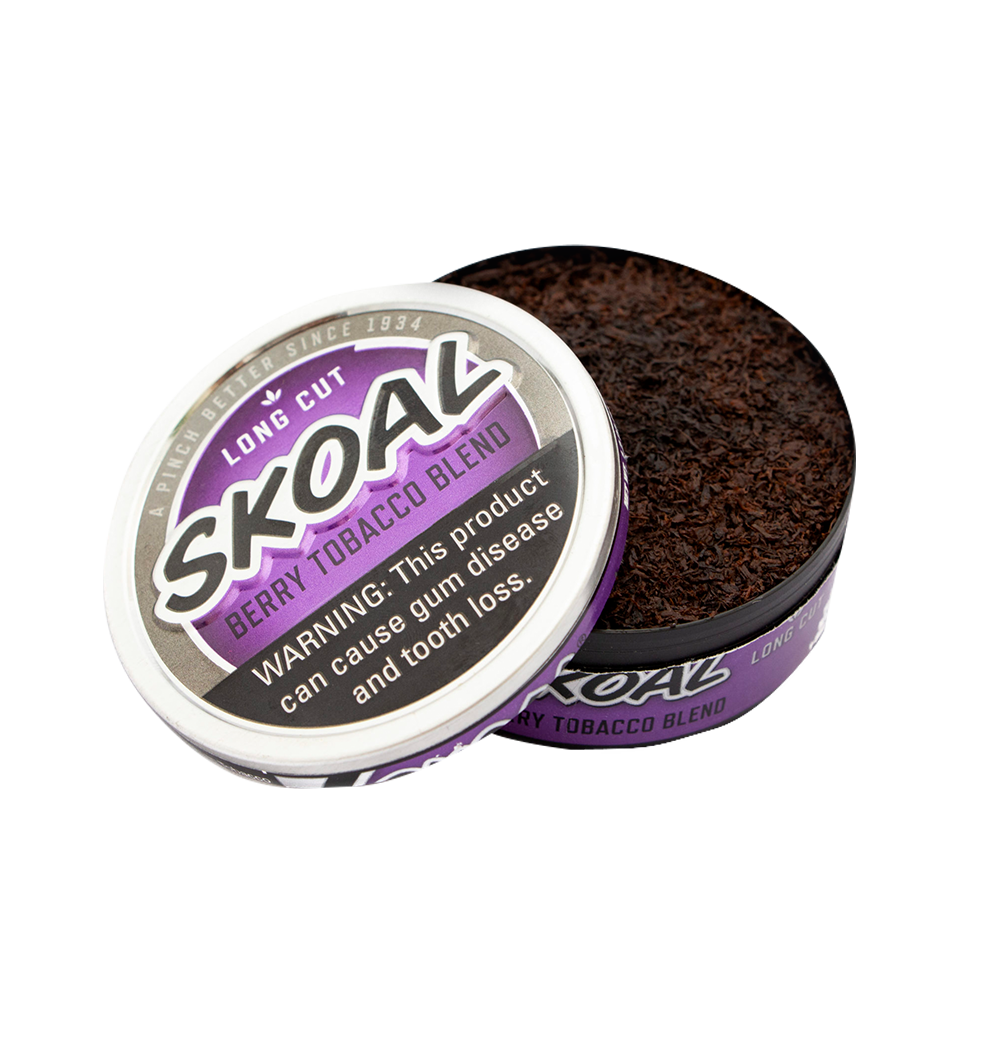
Chewing tobacco and traditional moist snuff products solved the combustion issue but introduced spitting and a tobacco leaf product that many people found unappealing from both an aesthetic and a perception standpoint.Chewing tobacco retains its own loyal user base, but it was never going to appeal to new categories of nicotine users who had no background with smokeless tobacco.
Nicotine pouches removed all of those friction points in one format: no combustion, no vapor, no tobacco leaf, no spitting, and no visible indication to others that anything is being used at all. For someone in a meeting, on a flight, in a gym, or anywhere that smoking and vaping are not viable, a nicotine pouch works without any of the practical or social complications.
The Flavor Factor and Who the New Audience Is
Flavor played an enormous role in the mainstream adoption of nicotine pouches, and it continues to drive category growth. Early smokeless tobacco products offered limited flavor variety and leaned heavily on tobacco-adjacent taste profiles like mint and wintergreen that appealed to existing tobacco users but created a high barrier for anyone outside that group. Nicotine pouches broke that pattern entirely.
The range of available flavors now spans the full spectrum of what consumers expect from any modern consumer product: fruit flavors, mint variants, citrus, cinnamon, smooth unflavored options, and combinations that have no reference point in traditional tobacco products at all. This breadth of flavor availability did something significant: it made nicotine pouches appealing to people who had no interest in anything that tasted or felt like tobacco.
The new audience that nicotine pouches reached falls into a few distinct groups:
Former smokers who had already reduced or eliminated cigarette use but still wanted a nicotine option for specific situations
Existing tobacco users looking for a format they could use in places where smoking or vaping is not permitted
Adults who had never used tobacco but were interested in nicotine as a functional tool for focus, stress management, or alertness
Social nicotine users who wanted an occasional option that did not require committing to a daily smoking habit
Each of these groups found something in nicotine pouches that no previous format had offered them cleanly, and the collective size of that combined audience is what drove the category from niche to mainstream within a relatively short window.
Market Growth, Industry Data, and Where the Category Is Heading
The numbers behind nicotine pouch growth are difficult to ignore. According to data from JAMA, nicotine pouch sales in North America grew by over 641% between 2019 and 2022, making it the fastest-growing nicotine subcategory across that period. A report from Grand View Research valued the global nicotine pouch market at approximately USD 6.9 billion in 2025 and is projected to grow from USD 9.0 billion in 2026 to USD 42.4 billion by 2033, at a CAGR of 24.7% from 2026 to 2033.
Canada has followed this trajectory closely. Provincial regulations around nicotine pouches vary, but the product category has established clear retail presence and growing consumer familiarity. The appeal is consistent across markets: a discreet, tobacco-free, odorless format with a broad flavor range and accessible price points.
What the data also shows is that nicotine pouches are not simply cannibalizing existing tobacco product sales in a one-to-one substitution. A meaningful portion of pouch users are either new to nicotine products or using pouches in addition to, rather than instead of, other formats depending on the situation. This incremental reach into new user populations is part of what distinguishes the category’s growth trajectory from simple product substitution.
Thepouches category at Holy Smokes reflects this market maturity, carrying a range of brands, flavors, and nicotine strengths that covers what the current Canadian nicotine pouch consumer is looking for. The broader product mix at Holy Smokes spanscigarettes,cigars,vapes, andchewing tobacco alongside pouches, recognizing that nicotine consumers rarely fit a single-format profile and that different situations call for different products.
Conclusion
The trajectory for pouches points toward continued growth rather than plateau. Continued flavor innovation, expanding awareness among adult nicotine users who have not yet tried the format, and the ongoing practical restrictions on smoking in public spaces all maintain the structural conditions that drove adoption in the first place. For a category that barely existed as a consumer product a decade ago, the speed and breadth of mainstream penetration is a genuinely unusual story in the consumer goods space.
Browse the full range of nicotine pouches and other products atHoly Smokes, and reach out to us for any questions about availability or product selection.


The Rise of Nicotine Pouches: How They Became a Mainstream Alternative
Ten years ago, nicotine pouches were a niche product with minimal shelf presence and an audience that barely registered in consumer research. Today they are one of the fastest-growing segments in the entire nicotine category, stocked in convenience stores across North America, discussed openly in mainstream media, and increasingly chosen by people who have never used tobacco in any form. The shift happened faster than most industry observers anticipated, and the reasons behind it tell an interesting story about how consumer preferences evolve when a product genuinely solves problems that existing options do not.
What Nicotine Pouches Are and Why They Caught On
A nicotine pouch is a small, pre-portioned pouch containing nicotine, plant-based filler material, flavorings, and pH adjusters. It contains no tobacco leaf. The user places it between the upper lip and gum, where nicotine is absorbed through the oral mucosa over the course of roughly 20 to 45 minutes depending on the product and individual absorption rate. There is no smoke, no vapor, no spit, and no odor that transfers to clothing or surroundings.
That combination of characteristics sounds simple, but it solved several simultaneous problems that other nicotine formats had failed to address cleanly.
Cigarettes deliver nicotine effectively but come with combustion, secondhand smoke, smell, and the social friction that has grown substantially as smoking bans expanded across indoor public spaces, workplaces, and increasingly outdoor areas in Canadian cities. Cigarettes remain a significant part of the nicotine market, but the restrictions on where they can be used have pushed a meaningful portion of smokers to seek supplementary or replacement options for situations where lighting up is not possible.
Vapes addressed some of those issues but introduced others. Visible vapor production still draws attention in settings where discretion matters. Battery life, device maintenance, and the perception that vaping carries its own social visibility have kept it from fully solving the discretion problem for certain users.
Chewing tobacco and traditional moist snuff products solved the combustion issue but introduced spitting and a tobacco leaf product that many people found unappealing from both an aesthetic and a perception standpoint. Chewing tobacco retains its own loyal user base, but it was never going to appeal to new categories of nicotine users who had no background with smokeless tobacco.
Nicotine pouches removed all of those friction points in one format: no combustion, no vapor, no tobacco leaf, no spitting, and no visible indication to others that anything is being used at all. For someone in a meeting, on a flight, in a gym, or anywhere that smoking and vaping are not viable, a nicotine pouch works without any of the practical or social complications.
The Flavor Factor and Who the New Audience Is
Flavor played an enormous role in the mainstream adoption of nicotine pouches, and it continues to drive category growth. Early smokeless tobacco products offered limited flavor variety and leaned heavily on tobacco-adjacent taste profiles like mint and wintergreen that appealed to existing tobacco users but created a high barrier for anyone outside that group. Nicotine pouches broke that pattern entirely.
The range of available flavors now spans the full spectrum of what consumers expect from any modern consumer product: fruit flavors, mint variants, citrus, cinnamon, smooth unflavored options, and combinations that have no reference point in traditional tobacco products at all. This breadth of flavor availability did something significant: it made nicotine pouches appealing to people who had no interest in anything that tasted or felt like tobacco.
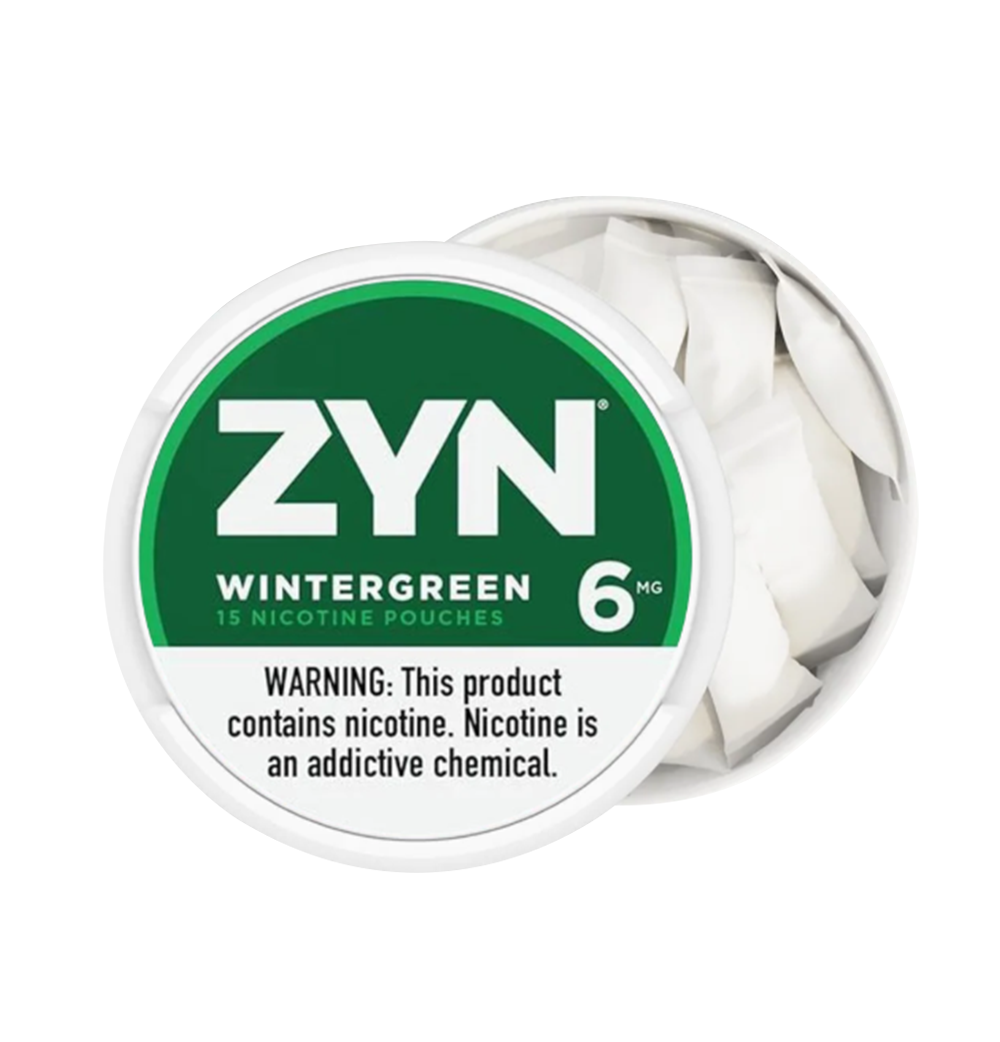
Popular options in the pouch category reflect this variety clearly. ZYN Cool Mint, ZYN Citrus, ZYN Spearmint, ZYN Cinnamon, and ZYN Wintergreen represent the mint and flavored end of the ZYN lineup, which has become one of the dominant pouch brands in North America. ZYN Smooth serves users who prefer a clean, unflavored experience. Alongside ZYN, brands like Rogue offer fruit-forward options such as Rogue Mango, Rogue Apple, Rogue Citrus, and Rogue Peppermint at accessible nicotine levels.
The Zimo and Zolt lines extend the flavor and strength range further. Zimo offers Blueberry, Mango, Grape, Wintergreen, and Mint at 8mg, while Zolt steps up to 15mg across options including Spearmint, Wintergreen, Sour Apple, Orange, Strawberry, Pink Lemonade, and Peppermint for users who want stronger delivery.
The new audience that nicotine pouches reached falls into a few distinct groups:
Each of these groups found something in nicotine pouches that no previous format had offered them cleanly, and the collective size of that combined audience is what drove the category from niche to mainstream within a relatively short window.
Market Growth, Industry Data, and Where the Category Is Heading
The numbers behind nicotine pouch growth are difficult to ignore. According to data from JAMA, nicotine pouch sales in North America grew by over 641% between 2019 and 2022, making it the fastest-growing nicotine subcategory across that period. A report from Grand View Research valued the global nicotine pouch market at approximately USD 6.9 billion in 2025 and is projected to grow from USD 9.0 billion in 2026 to USD 42.4 billion by 2033, at a CAGR of 24.7% from 2026 to 2033.
Canada has followed this trajectory closely. Provincial regulations around nicotine pouches vary, but the product category has established clear retail presence and growing consumer familiarity. The appeal is consistent across markets: a discreet, tobacco-free, odorless format with a broad flavor range and accessible price points.
What the data also shows is that nicotine pouches are not simply cannibalizing existing tobacco product sales in a one-to-one substitution. A meaningful portion of pouch users are either new to nicotine products or using pouches in addition to, rather than instead of, other formats depending on the situation. This incremental reach into new user populations is part of what distinguishes the category’s growth trajectory from simple product substitution.
The pouches category at Holy Smokes reflects this market maturity, carrying a range of brands, flavors, and nicotine strengths that covers what the current Canadian nicotine pouch consumer is looking for. The broader product mix at Holy Smokes spans cigarettes, cigars, vapes, and chewing tobacco alongside pouches, recognizing that nicotine consumers rarely fit a single-format profile and that different situations call for different products.
Conclusion
The trajectory for pouches points toward continued growth rather than plateau. Continued flavor innovation, expanding awareness among adult nicotine users who have not yet tried the format, and the ongoing practical restrictions on smoking in public spaces all maintain the structural conditions that drove adoption in the first place. For a category that barely existed as a consumer product a decade ago, the speed and breadth of mainstream penetration is a genuinely unusual story in the consumer goods space.
Browse the full range of nicotine pouches and other products at Holy Smokes, and reach out to us for any questions about availability or product selection.
Related Posts
Cigarettes vs. Cigars: Understanding the Key Differences
Ethical sustainable chillwave. Gentrify semiotics cold pressed, narwhal hashtag cardigan artisan swag raw denim wolf tilde.
Understanding Nicotine Strengths: How to Choose What’s Right for You
Ethical sustainable chillwave. Gentrify semiotics cold pressed, narwhal hashtag cardigan artisan swag raw denim wolf tilde.