Navigating the world of smoke-free alternatives can feel overwhelming given the sheer variety of options available today. Among these, oral smoke-free products have surged in popularity due to their discreet nature, ease of use, and tobacco-free formulations. However, one central factor dictates your overall experience: understanding nicotine pouch strength levels and selecting the correct milligram (mg) content for your personal routine. Choosing the right strength ensures a comfortable, satisfying experience without unwanted side effects such as nausea from an excessively strong option, or persistent cravings from one that is too mild. Whether you are transitioning from traditional smoke choices or simply exploring new smoke-free paths, breaking down the mg spectrum will help you make an informed decision tailored to your needs.
Decoding the Milligram Spectrum and Delivery Mechanics
When browsing the extensive inventory within a dedicatedpouches category, you will encounter numbers ranging from 3mg up to 15mg or higher per portion. This rating indicates the total amount of active compound contained in a single pouch. However, understanding how that number translates into your actual experience requires looking at how oral absorption differs from other consumption methods.
Unlike inhaled products where delivery occurs through pulmonary absorption, pouches release their contents gradually through the buccal mucosa under your upper lip. Clinical observations archived on PubMed Central demonstrate that oral transmucosal absorption creates a steady, controlled uptake curve rather than an immediate, sharp spike. This means that a 6mg pouch does not hit your system all at once; instead, it provides a sustained release over a period of 20 to 45 minutes.
To better understand how these milligram ratings function in practice, consider these key operational aspects:
Total Content versus Absorbed Amount: The milligram rating on the can represents the starting content in the pouch. In practice, the body typically absorbs a portion of the total available content through the oral lining, making the delivery smooth and manageable.
Saliva Activation: The release mechanism begins as soon as moisture from your mouth saturates the pouch material. This activation phase determines how quickly you feel the initial effects.
Steady Pharmacokinetics: Because absorption occurs through localized tissue, the concentration in your bloodstream rises gradually. This steady curve helps prevent the rapid crashes sometimes associated with fast-acting delivery methods.
Comparison to Combustibles: Traditional items like regularcigarettes or premiumcigars rely on combustion for rapid delivery. Oral pouches eliminate combustion entirely, offering a cleaner method that focuses purely on steady mucosal uptake.
Understanding these mechanics makes it much easier to select a starting point that aligns with your existing habits and tolerance level.
Analyzing Strength Tiers to Match Your Daily Routine
Finding the right level involves matching the pouch rating to your previous consumption habits or current tolerance. Nicotine pouch options generally fall into three distinct strength tiers, each serving a specific user profile and routine.
1. Low Strength (3mg to 6mg)
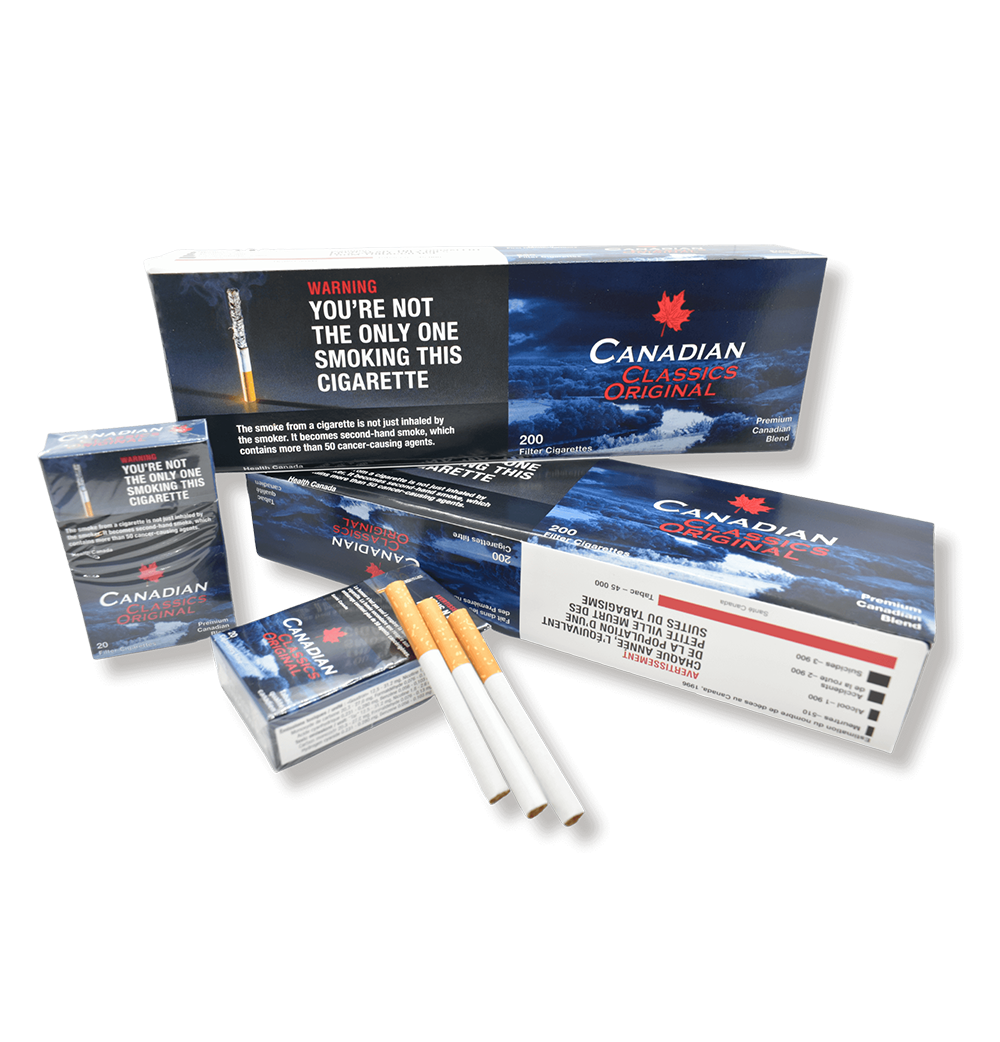
Low-dose options are ideal for beginner users, light social consumers, or individuals seeking a subtle experience. If your daily routine previously included mild traditional items likeDiscount Lights,BB Light,Canadian Lights, or casual cigarillos likeWhite Owl Cigarillos Peach, starting at this level provides a gentle transition.
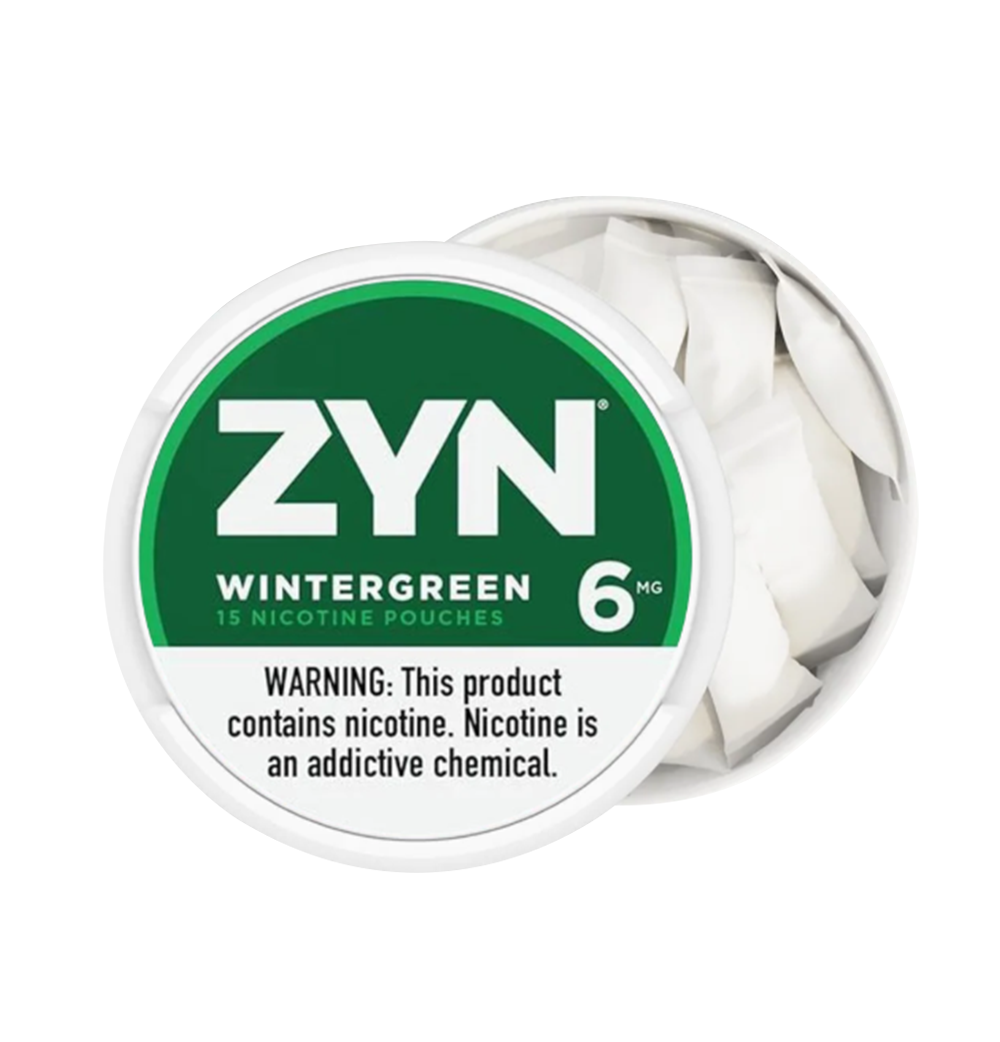
Popular lower-strength selections offer smooth delivery paired with clean flavor profiles:
Secondary Factors Influencing Strength and Practical Selection Strategies
The number printed on the container tells only part of the story. Secondary physical factors influence how strong a pouch actually feels when placed under your lip. Furthermore, adopting a methodical selection strategy helps you zero in on your ideal match without trial-and-error frustration.
Research cataloged by the National Institutes of Health (NIH) highlights that the internal pH level of oral pouch formulations dictates the proportion of unprotonated active compounds available for immediate absorption. Higher pH formulations increase absorption speed, making a pouch feel subjectively stronger than its milligram rating implies.
A scientific study published on ScienceDirect further explains that moisture content plays a critical role in release dynamics. Moisture pouches dissolve rapidly, delivering an immediate initial surge, whereas drier formats offer a prolonged, gradual release over a longer duration. Additionally, intense flavorings like menthol or citrus create a localized tingling sensation on the gums that heightens the perceived strength.
To find the right strength for your personal routine, follow this step-by-step selection approach:
Assess Your Current Usage: Honestly evaluate your current daily consumption habits. If you use light products infrequently, begin at the 3mg to 6mg level. If you are a heavy daily consumer, start near the 8mg to 15mg tier.
Start Low and Adjust Upward: It is always safer to start with a lower milligram rating. If a 3mg or 6mg pouch satisfies your cravings without discomfort, stay at that level. If you experience lingering cravings, step up to a medium strength.
Pay Attention to Portion Duration: Keep the pouch parked comfortably under your upper lip for 20 to 30 minutes. If you feel lightheaded, remove the pouch early and lower your mg level on your next purchase.
Factor in Flavor Sensory Effects: If you prefer a gentle experience, opt for smooth or unflavored varieties. If you enjoy a strong sensory kick alongside your nicotine release, choose bold peppermint or citrus options.
Conclusion
Finding the right nicotine pouch strength level is an essential step in building a convenient, smoke-free routine that fits your lifestyle. By evaluating your current tolerance, understanding how secondary factors like moisture and flavor impact perception, and following a structured selection strategy, you can confidently choose the ideal mg content for your needs.
To explore the full catalog of smoke-free alternatives, visit Holy Smokes. If you have questions about specific product availability or ordering details, reach out directly.

Nicotine Pouch Strength Levels Explained: Finding the Right mg for Your Routine
Navigating the world of smoke-free alternatives can feel overwhelming given the sheer variety of options available today. Among these, oral smoke-free products have surged in popularity due to their discreet nature, ease of use, and tobacco-free formulations. However, one central factor dictates your overall experience: understanding nicotine pouch strength levels and selecting the correct milligram (mg) content for your personal routine. Choosing the right strength ensures a comfortable, satisfying experience without unwanted side effects such as nausea from an excessively strong option, or persistent cravings from one that is too mild. Whether you are transitioning from traditional smoke choices or simply exploring new smoke-free paths, breaking down the mg spectrum will help you make an informed decision tailored to your needs.
Decoding the Milligram Spectrum and Delivery Mechanics
When browsing the extensive inventory within a dedicated pouches category, you will encounter numbers ranging from 3mg up to 15mg or higher per portion. This rating indicates the total amount of active compound contained in a single pouch. However, understanding how that number translates into your actual experience requires looking at how oral absorption differs from other consumption methods.
Unlike inhaled products where delivery occurs through pulmonary absorption, pouches release their contents gradually through the buccal mucosa under your upper lip. Clinical observations archived on PubMed Central demonstrate that oral transmucosal absorption creates a steady, controlled uptake curve rather than an immediate, sharp spike. This means that a 6mg pouch does not hit your system all at once; instead, it provides a sustained release over a period of 20 to 45 minutes.
To better understand how these milligram ratings function in practice, consider these key operational aspects:
Understanding these mechanics makes it much easier to select a starting point that aligns with your existing habits and tolerance level.
Analyzing Strength Tiers to Match Your Daily Routine
Finding the right level involves matching the pouch rating to your previous consumption habits or current tolerance. Nicotine pouch options generally fall into three distinct strength tiers, each serving a specific user profile and routine.
1. Low Strength (3mg to 6mg)
Low-dose options are ideal for beginner users, light social consumers, or individuals seeking a subtle experience. If your daily routine previously included mild traditional items like Discount Lights, BB Light, Canadian Lights, or casual cigarillos like White Owl Cigarillos Peach, starting at this level provides a gentle transition.
Popular lower-strength selections offer smooth delivery paired with clean flavor profiles:
2. Medium Strength (7mg to 9mg)
Medium-dose pouches represent the most popular tier for regular daily users. This bracket fits individuals transitioning from moderate daily routines, such as traditional options like Rolled Gold Light, Nexus Light, DK Light, or Canadian Classic Silver, or mid-range portable vapes such as Allo 500 HIIT Blueberry Ice.
Great choices in this mid-tier group include:
3. High to Extra-High Strength (10mg to 15mg+)
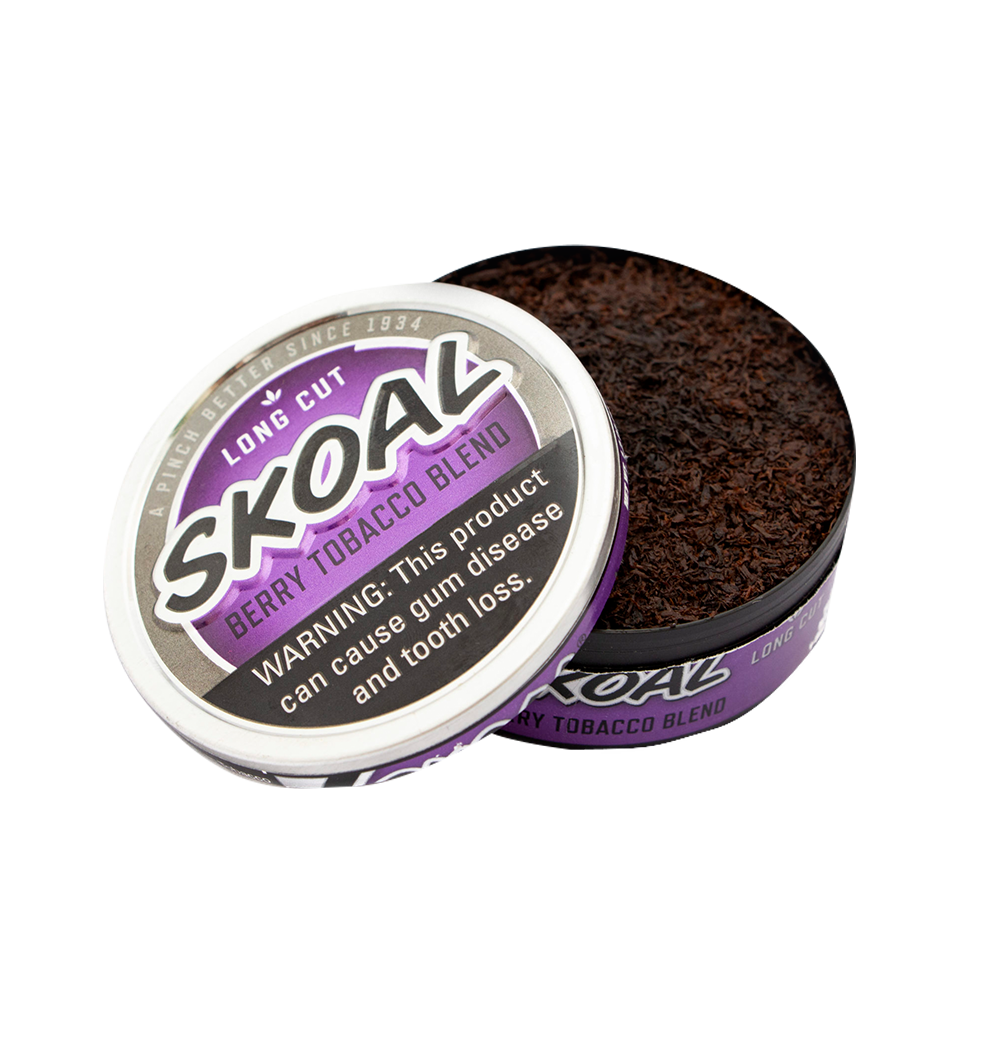
High-strength pouches cater strictly to experienced users with a high tolerance. If you are accustomed to full-flavored traditional choices like Rolled Gold Full, Nexus Full, BB Full, DK Full, or heavy dip alternatives like chewing tobacco including Grizzly Mint and Skoal Classic Mint, lower pouch strengths will not satisfy your cravings.
Robust 15mg options include:
Secondary Factors Influencing Strength and Practical Selection Strategies
The number printed on the container tells only part of the story. Secondary physical factors influence how strong a pouch actually feels when placed under your lip. Furthermore, adopting a methodical selection strategy helps you zero in on your ideal match without trial-and-error frustration.
Research cataloged by the National Institutes of Health (NIH) highlights that the internal pH level of oral pouch formulations dictates the proportion of unprotonated active compounds available for immediate absorption. Higher pH formulations increase absorption speed, making a pouch feel subjectively stronger than its milligram rating implies.
A scientific study published on ScienceDirect further explains that moisture content plays a critical role in release dynamics. Moisture pouches dissolve rapidly, delivering an immediate initial surge, whereas drier formats offer a prolonged, gradual release over a longer duration. Additionally, intense flavorings like menthol or citrus create a localized tingling sensation on the gums that heightens the perceived strength.
To find the right strength for your personal routine, follow this step-by-step selection approach:
Conclusion
Finding the right nicotine pouch strength level is an essential step in building a convenient, smoke-free routine that fits your lifestyle. By evaluating your current tolerance, understanding how secondary factors like moisture and flavor impact perception, and following a structured selection strategy, you can confidently choose the ideal mg content for your needs.
To explore the full catalog of smoke-free alternatives, visit Holy Smokes. If you have questions about specific product availability or ordering details, reach out directly.
Related Posts
Cigarettes vs. Cigars: Understanding the Key Differences
Ethical sustainable chillwave. Gentrify semiotics cold pressed, narwhal hashtag cardigan artisan swag raw denim wolf tilde.
Understanding Nicotine Strengths: How to Choose What’s Right for You
Ethical sustainable chillwave. Gentrify semiotics cold pressed, narwhal hashtag cardigan artisan swag raw denim wolf tilde.